
Does Dandruff Cause Hair Loss? Causes, Treatment & Prevention
Table of Contents
ToggleDandruff is one of the most common scalp problems, affecting people of all ages. While many consider it a minor issue, persistent dandruff can lead to discomfort, itching, and concerns about hair fall. This often raises an important question: Does dandruff cause hair loss?
In this blog, we explain the connection between dandruff and hair loss, its causes, effective treatments, and how to prevent further hair damage from a dermatologist’s perspective.
What Is Dandruff?
Dandruff is a scalp condition characterised by white or yellow flakes, itching, and sometimes redness. It commonly occurs due to:
- Excess oil production on the scalp
- Fungal overgrowth (Malassezia)
- Dry scalp
- Sensitivity to hair products
- Poor scalp hygiene
Dandruff can be mild or severe and may worsen if left untreated.
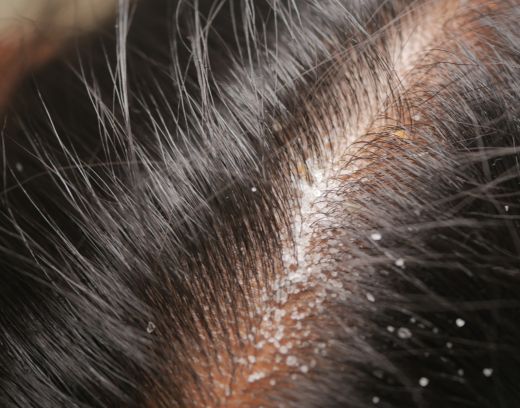
Does Dandruff Cause Hair Loss?
Dandruff does not directly cause permanent hair loss, but it can trigger temporary hair fall if not managed properly.
Here’s how dandruff contributes to hair loss:
- Intense itching leads to frequent scratching
- Scratching damages hair follicles
- Scalp inflammation weakens hair roots
- Blocked follicles affect healthy hair growth
If dandruff persists for a long time, the continuous irritation can result in noticeable hair shedding.
How Dandruff Leads to Hair Fall
1. Scalp Inflammation
Severe dandruff causes redness and inflammation, which disrupts the natural hair growth cycle.
2. Excess Scratching
Constant scratching breaks hair strands and loosens hair from the roots.
Dead skin flakes mixed with oil can clog follicles, reducing oxygen and nutrients to the hair roots.
4. Poor Scalp Health
An unhealthy scalp environment makes it difficult for hair to grow strong and thick.
Types of Dandruff Linked to Hair Fall
- Dry dandruff: Flaky scalp due to lack of moisture
- Oily dandruff (Seborrheic dermatitis): Greasy flakes with redness
- Fungal dandruff: Caused by yeast overgrowth
- Product-related dandruff: Reaction to harsh shampoos or styling products
Identifying the type of dandruff is crucial for proper treatment.
Is Hair Loss Due to Dandruff Permanent?
In most cases, hair loss caused by dandruff is temporary. Once dandruff is treated and scalp health is restored, hair growth usually returns to normal.
However, prolonged neglect, severe inflammation, or secondary infections can worsen hair fall, making early treatment important.
Treatment for Dandruff-Related Hair Loss
1. Medicated Anti-Dandruff Shampoos
Dermatologist-recommended shampoos help control dandruff and scalp irritation.
2. Scalp Treatments
Medical scalp treatments reduce inflammation, fungal growth, and excessive oil production.
3. Proper Hair Care Routine
- Gentle cleansing
- Avoid harsh chemicals
- Limit heat styling
4. Treat Underlying Scalp Conditions
Conditions like seborrheic dermatitis or psoriasis need targeted dermatological treatment.
Home Care Tips to Prevent Dandruff Hair Loss
- Wash hair regularly with a mild shampoo
- Avoid scratching the scalp
- Do not oil excessively if you have oily dandruff
- Avoid sharing combs and towels
- Maintain a balanced diet
Consistency is key to preventing dandruff recurrence.
When Should You See a Dermatologist?
Consult a dermatologist if:
- Dandruff persists despite using anti-dandruff shampoos
- Hair fall is excessive or sudden
- Scalp redness, itching, or scaling worsens
- You notice patchy hair loss
Early diagnosis prevents long-term scalp damage.
Can Treating Dandruff Improve Hair Growth?
Yes. Treating dandruff improves scalp health, reduces inflammation, and allows hair follicles to function normally. Many patients notice reduced hair fall and healthier hair growth once dandruff is under control.
Frequently Asked Questions Dandruff & Hair Loss
Can dandruff really cause hair loss?
Dandruff does not directly cause permanent hair loss, but severe dandruff can lead to temporary hair fall due to itching, scratching, scalp inflammation, and weakened hair roots.
Is hair loss from dandruff permanent?
No. Hair loss caused by dandruff is usually reversible. Once dandruff is properly treated and scalp health is restored, hair growth typically returns to normal.
How long does it take for hair fall to reduce after treating dandruff?
Most people notice reduced hair fall within 2 to 4 weeks of consistent dandruff treatment. Complete scalp recovery and improved hair growth may take a few months.
Which type of dandruff causes the most hair fall?
Oily dandruff (seborrheic dermatitis) and fungal dandruff are more likely to cause hair fall due to inflammation, redness, and persistent itching compared to dry dandruff.
When should I see a dermatologist for dandruff-related hair loss?
You should consult a dermatologist if dandruff persists despite treatment, hair fall becomes excessive, the scalp becomes red or painful, or you notice patchy hair loss or thinning.
Conclusion
While dandruff does not directly lead to permanent baldness, it can cause temporary hair fall if ignored. The good news is that dandruff-related hair loss is usually reversible with proper treatment and scalp care.
If you’re experiencing dandruff along with hair fall, seeking professional advice ensures faster relief and healthier hair.
If dandruff and hair loss are affecting your confidence, consult a dermatologist for personalised treatment and long-term scalp health solutions.
Ready to experience the best HydraFacial in Anna Nagar?
-
Clinic Hours:
Monday-Sunday, 12:00 PM - 8:00 PM