
Book your free skin consultation
Connect with our expert team for a personalized clinical assessment.
Scientific Skincare
30+ Specialized Treatments
From clinical dermatology to advanced aesthetics, we offer a comprehensive range of protocols tailored to your unique skin profile.
IV Drip Therapy
Clinic-grade wellness infusions delivered safely at your doorstep by trained medical professionals.
Know MoreLaser Hair Removal
Permanent hair reduction for all skin tones using advanced diode laser.
Know MoreAcne & Scar Treatment
Medical-grade treatments for active acne, post-acne marks and scars.
Know MorePRP / GFC Hair Treatment
Platelet-rich therapy to stimulate hair regrowth and control hair fall.
Know MoreThe Soul Difference
Excellence rooted in Clinical Expertise
Led by an MD Dermatologist
Expert care under Dr. Charanya MD.
Internationally Approved Tech
FDA-cleared medical grade equipment.
Transparent Pricing
No hidden costs, clear treatment plans.
Personalized Protocols
Unique solutions for your unique skin.
Evidence-Based Care
Proven clinical results with a safety-first approach.
Holistic Experience
Clinical precision paired with patient comfort.
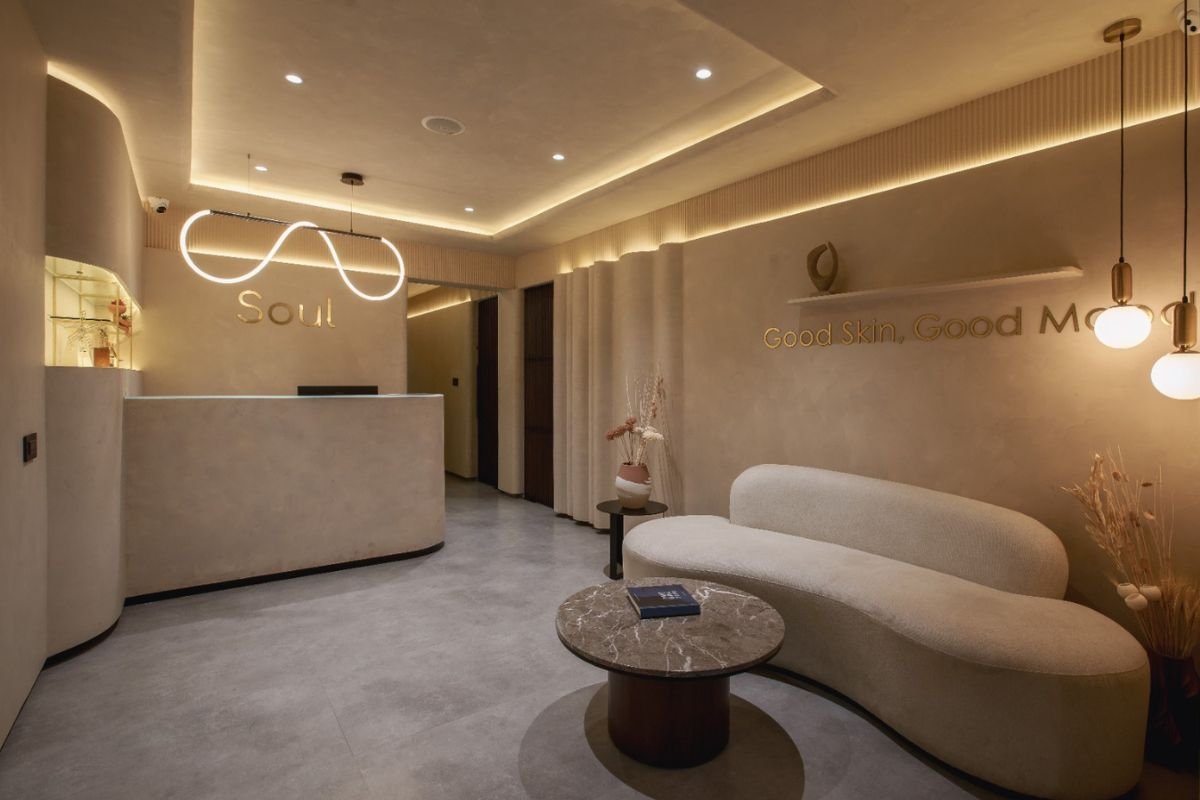
Your Path to Radiance
A seamless journey towards the best version of your skin.
WhatsApp Us
Quick chat to book your slot and share initial concerns with our patient coordinator.
Consultation
umaDeep-dive skin analysis with Dr. Charanya, MD to craft your personalized treatment plan.
Treatment
Clinical procedures delivered in our serene, medically-supervised environment.
Radiant Results
Visible skin transformation with comprehensive post-care support and guidance.

Practice
Dr. Charanya, MD
Board Certified Dermatologist
"Skin is the soul's primary shield. To treat it, we must balance clinical precision with deep compassion and understanding of the individual's journey."
Book with Dr. CharanyaEvidence of Radiance
Real Transformations
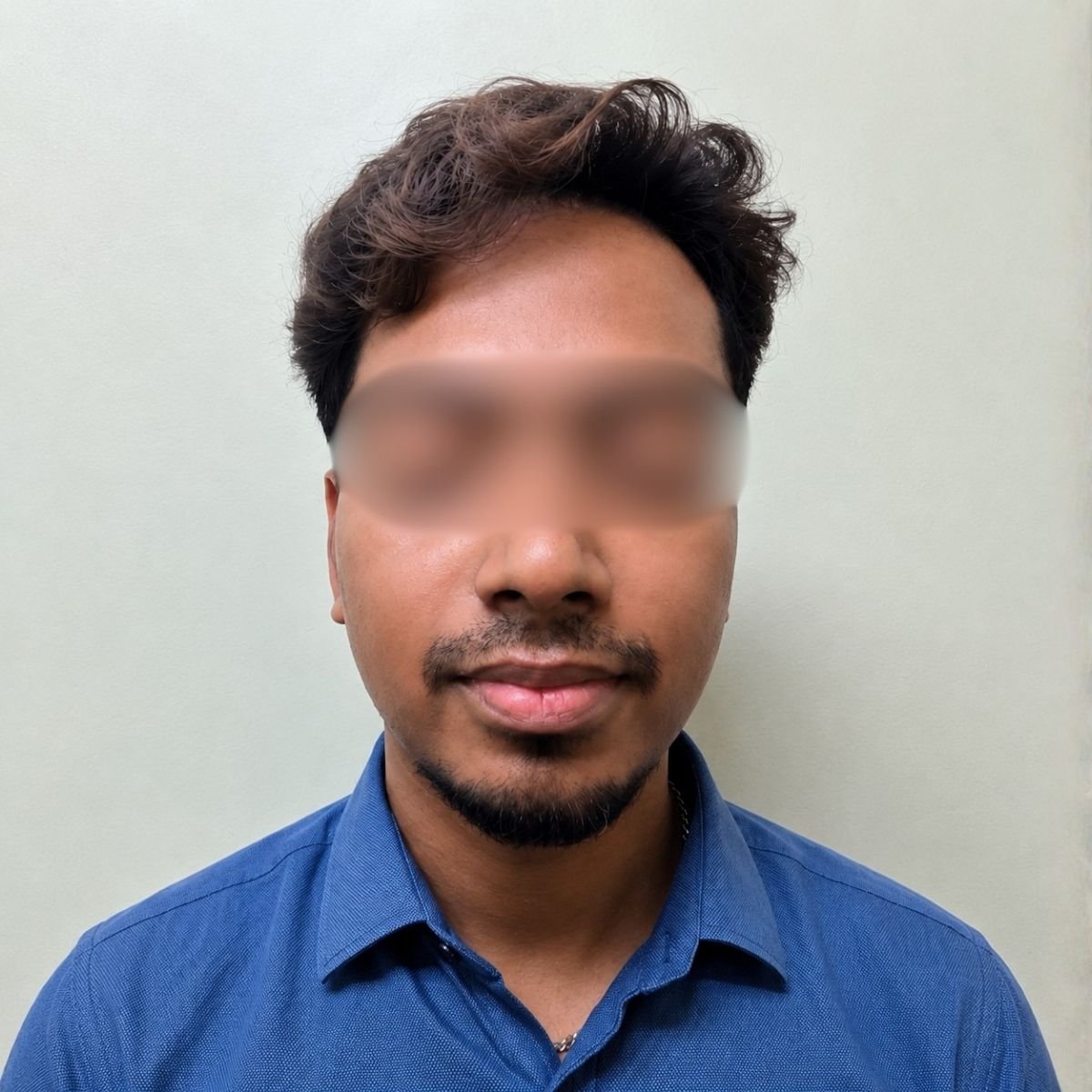
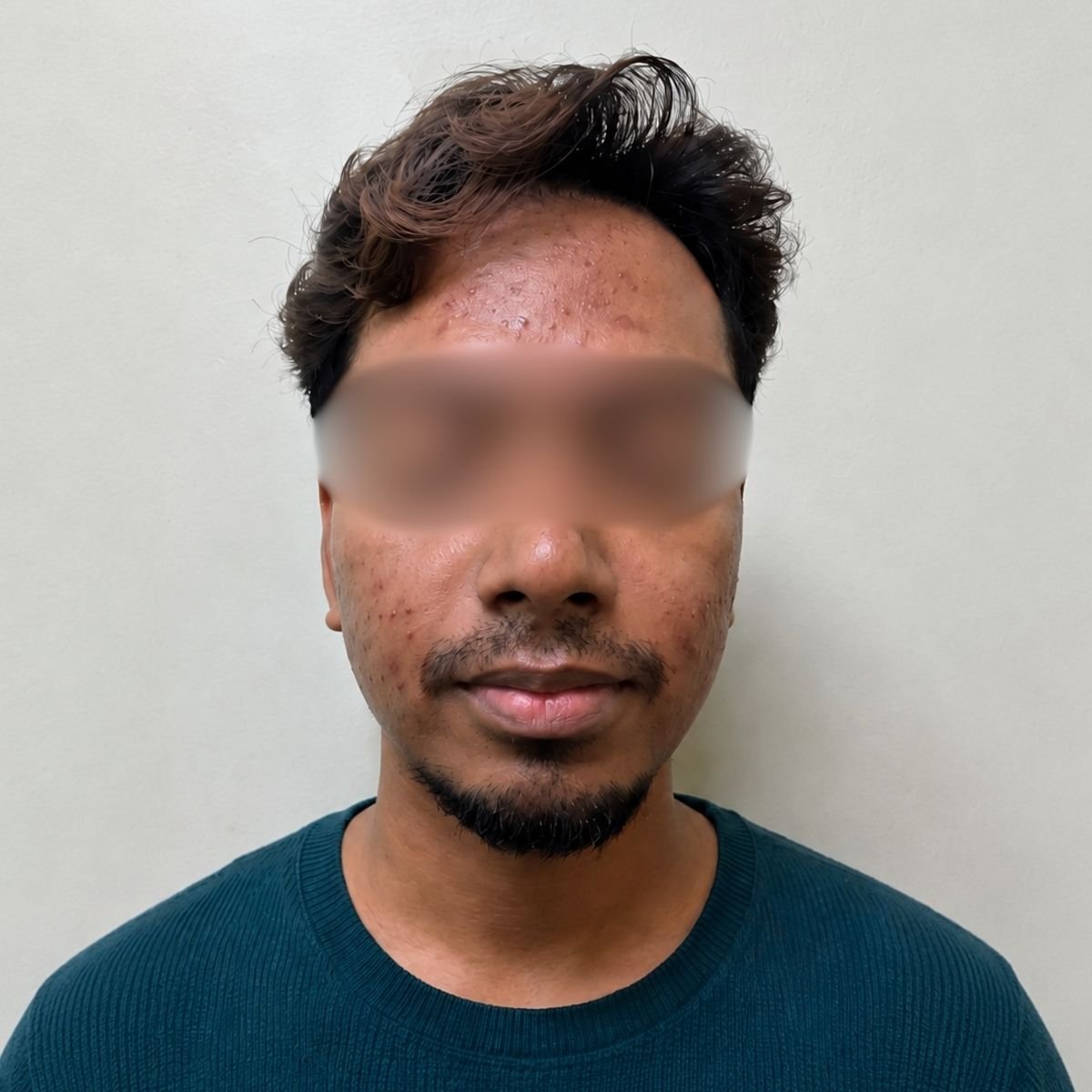 BEFORE
AFTER
BEFORE
AFTER
Acne & Scar Management
Dermal Infusion, Peels, Extraction & Advanced Laser (CO2, Q-Switch, MNRF)
Acne & Scar Management
Dermal Infusion + Advanced Laser
PRP Treatment
Platelet-Rich Plasma therapy
Lip Laser Treatment
Targeted lip rejuvenation protocol
Advanced Combined Laser Treatment
Signature laser skin therapy
Laser Hair Removal
Full face protocol
Client Stories
Voices of Confidence
"This review comes from the heart💙. I had Laser Skin Resurfacing (CO2 + Q switch + Sylfirm), and it was serviced by Vidhya. She took care of me with so much love, supporting me until the session ended. Though it's a very painful treatment, she somehow managed to make me feel easier by holding my hands. I am overwhelmed by the way they comforted me🥰. And my Wonder Woman Dermatologist, Charanya, is a very hardworking woman. No matter how hard the situation, she never fails to encourage us. I love the way she handles everything professionally and in a positive manner, and she never fails to entertain us. If you want to get clear skin with proper treatment and extra love and care, this is the go-to place. Highly recommended!"
"I have been taking PRP treatment for the past 6 months for heavy hair loss. She is really doing a very good job. Now I have very good thick hair and hair loss totally stopped. Keep up the good work. 😊🙏 Today (28th April 2026) again I came here for wart removal. I received amazing support from Vidhya, Good Job."
"Came for skin lightening treatment.Got radian peel ++. Treatment done by Vidhya. People here very professional, patient and cleared all doubts Excellent service"
Frequently Asked Questions
How much does a consultation cost?
How many sessions will I need for results?
Are clinical skin treatments safe?
What is the recovery time for laser treatments?
About Soul Skin Clinic
Where Science Meets
the Art of You
Soul Skin Clinic was born from a singular vision: to create a sanctuary where advanced dermatology harmonizes with aesthetic grace. Here, we do not see cases. We see stories waiting to blossom
We believe that true skincare is about more than just correction. It is about empowerment. Whether you are seeking a restorative glow-up or a life-changing clinical transformation, our promise remains anchored in three pillars: integrity, visible results, and your total emotional comfort.
Patients visit Soul Skin Clinic from across Anna Nagar and nearby localities:
and more
Visit Soul Skin Clinic
Chennai Clinic
1542, H bloc, 5th street, 11th Main Rd, Anna Nagar, Chennai, Tamil Nadu 600040
Clinic Hours
Mon - Sun: 12:00 PM - 08:00 PM
Have any Question?
Getting Here
Book Your Consultation
Your skin journey starts with one message
Not sure where to start? Tell us what's been bothering your skin & we will guide you from there!