
Why Is My Hair Falling Out Suddenly? 10 Causes in Females & How to Stop It
Table of Contents
ToggleIntroduction
Hair fall is a common concern among women of all ages. While losing some hair every day is normal, sudden or excessive hair loss can be alarming and may indicate an underlying health issue.
On average, a person loses 50–100 strands of hair per day as part of the natural hair growth cycle. However, if you start noticing large amounts of hair on your pillow, shower drain, or hairbrush, it may signal a condition affecting your scalp or overall health.
Sudden hair loss in women can occur due to hormonal changes, stress, nutritional deficiencies, medical conditions, or scalp problems. Understanding the cause is the first step toward effective treatment and prevention.
In this article, we will explore the common causes of sudden hair loss in females, symptoms to watch for, diagnosis methods, and effective treatment options.
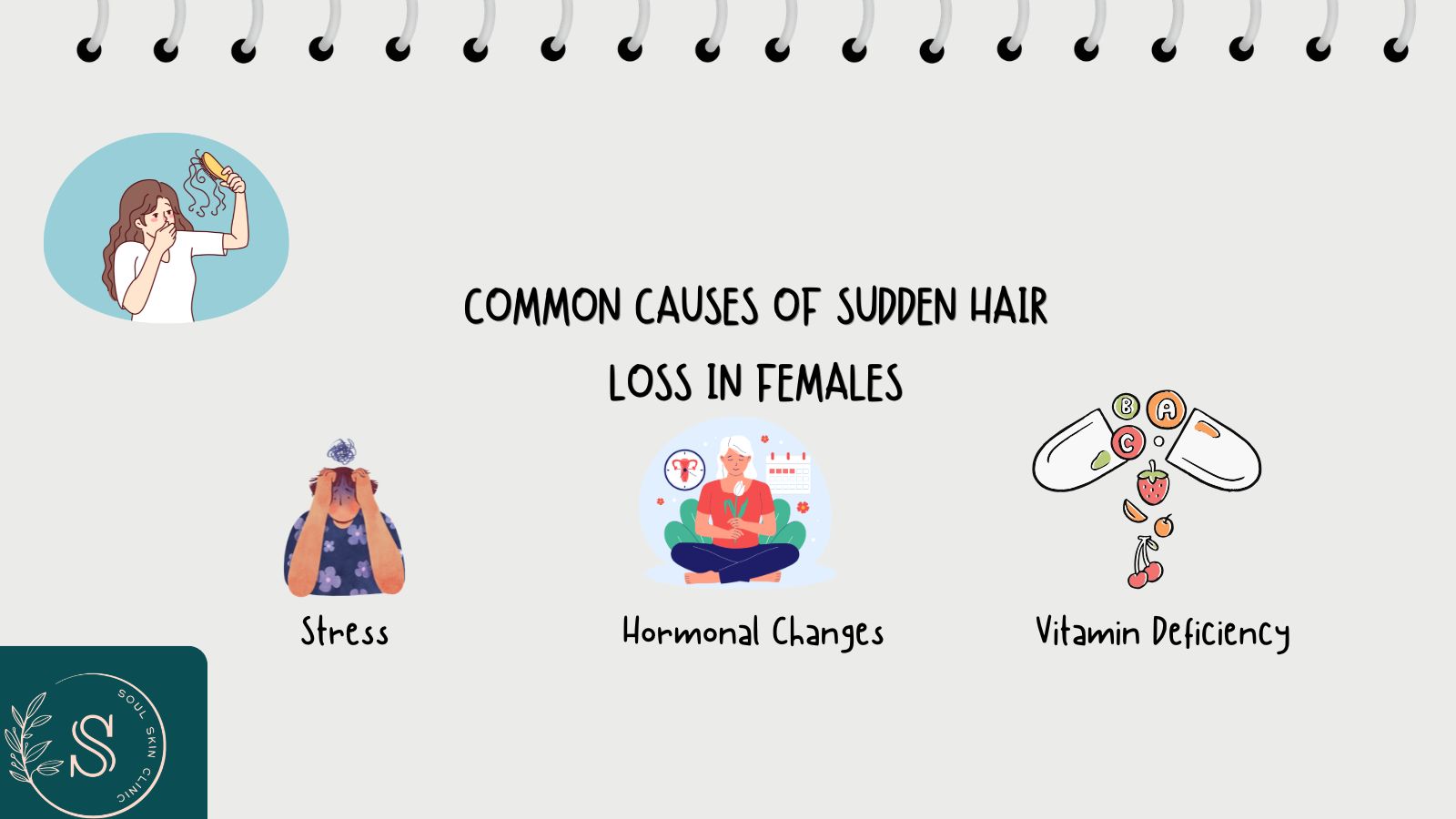
Common Causes of Sudden Hair Loss in Females
Several factors can trigger sudden hair shedding in women. Below are the most common causes.
Stress (Telogen Effluvium)
One of the most frequent causes of sudden hair loss in women is telogen effluvium, a condition triggered by significant stress.
Physical or emotional stress can push a large number of hair follicles into the resting phase of the hair growth cycle, leading to noticeable shedding a few months later.
Common stress triggers include:
- Major illness
- Surgery
- Emotional trauma
- Severe infections
- Childbirth
Fortunately, stress-related hair loss is usually temporary and reversible once the body recovers.
Hormonal Changes
Hormonal fluctuations can significantly affect the hair growth cycle.
Women may experience sudden hair loss due to hormonal shifts caused by:
- Pregnancy
- Childbirth
- Menopause
- Stopping or starting birth control pills
- Hormonal imbalance
These hormonal changes may cause hair follicles to shrink or enter the resting phase prematurely.
Vitamin Deficiency
Nutritional deficiencies are another major cause of sudden hair shedding.
Hair requires essential nutrients for healthy growth. Deficiencies in the following vitamins and minerals can weaken hair follicles:
- Iron
- Vitamin D
- Vitamin B12
- Biotin
- Zinc
- Protein
Low iron levels, especially in women with heavy menstrual cycles, are a very common reason for hair loss.
Thyroid Disorders
The thyroid gland regulates metabolism and hormone balance in the body. When thyroid hormone levels are abnormal, hair growth can be affected.
Both hypothyroidism (underactive thyroid) and hyperthyroidism (overactive thyroid) may lead to:
- hair thinning
- brittle hair
- increased hair shedding
Treating the thyroid disorder often helps restore normal hair growth.
Polycystic Ovary Syndrome (PCOS)
Women with PCOS (Polycystic Ovary Syndrome) often experience hair thinning due to elevated levels of androgen hormones.
Symptoms of PCOS-related hair loss may include:
- thinning hair on the scalp
- irregular periods
- acne
- excess facial hair
Managing hormonal imbalance through medical treatment can help reduce hair loss.
Rapid Weight Loss
Crash dieting or rapid weight loss can place stress on the body and disrupt the hair growth cycle.
When the body does not receive enough calories or nutrients, it prioritises essential functions over hair growth. As a result, hair follicles may enter the resting phase, leading to noticeable shedding.
COVID-19 Infection
Many women have reported sudden hair shedding after recovering from COVID-19.
This type of hair loss is usually caused by post-illness telogen effluvium, where physical stress from the infection triggers hair follicles to shift into the resting phase.
Hair shedding typically occurs 2–3 months after the illness and gradually improves over time.
Dandruff and Scalp Problems
Scalp health plays a major role in maintaining strong hair.
Conditions such as:
- severe dandruff
- fungal infections
- scalp psoriasis
- seborrheic dermatitis
can weaken hair roots and cause increased hair fall.
Treating the underlying scalp condition is essential for preventing further hair loss.
How to Diagnose the Cause
To determine the underlying reason for sudden hair loss, a dermatologist may recommend several diagnostic tests.
These may include:
- Blood tests to check for nutritional deficiencies
- Thyroid function tests
- Hormone level testing
- Scalp examination using dermoscopy
- Hair pull test to evaluate shedding severity
Accurate diagnosis is essential to identify the root cause and provide appropriate treatment.
Treatments for Sudden Hair Loss
Treatment depends on the underlying cause of hair loss. In many cases, addressing the root issue can significantly improve hair growth.
Medical Treatments
Dermatologists may recommend several effective treatments such as:
PRP Therapy (Platelet-Rich Plasma)
Minoxidil
Hormone Therapy
Iron and Vitamin Supplements
Natural Remedies and Lifestyle Changes
In addition to medical treatment, simple lifestyle changes can help improve hair health.
Helpful practices include:
- maintaining a balanced diet
- managing stress levels
- using gentle hair care routines
- avoiding excessive heat styling
- treating scalp conditions promptly
These habits support the natural hair growth cycle.
Diet for Healthy Hair
A healthy diet is essential for maintaining strong hair follicles and preventing excessive hair fall.
Important nutrients for hair health include:
- Protein
- Iron
- Zinc
- Vitamin D
- Omega-3 fatty acids
Foods That Support Hair Growth
Include these foods in your diet for healthier hair:
- Eggs
- Spinach
- Nuts
- Fish
- Lentils
- Seeds
- Whole grains
A nutrient-rich diet helps strengthen hair roots and promote healthy hair growth.
When to See a Dermatologist
While occasional hair fall is normal, medical evaluation may be necessary in certain situations.
Consult a dermatologist if:
- Hair loss continues for more than 2 months
- Bald patches appear
- Scalp itching or redness develops
- Hair thinning becomes noticeable
- Hair shedding becomes severe
Early diagnosis can help prevent long-term hair thinning.
Hair Loss Treatment at Soul Skin Clinic
If you are experiencing sudden hair loss, consulting a qualified dermatologist can help identify the exact cause and provide personalised treatment.
At Soul Skin Clinic, experienced dermatologists provide comprehensive hair loss evaluation and advanced treatment options.
Treatment options may include:
- Detailed scalp examination
- Personalised treatment plans
- PRP therapy for hair growth
- Medical treatments for hormonal or nutritional causes
- Expert guidance on hair care and diet
Early treatment can significantly improve hair health and restore confidence.
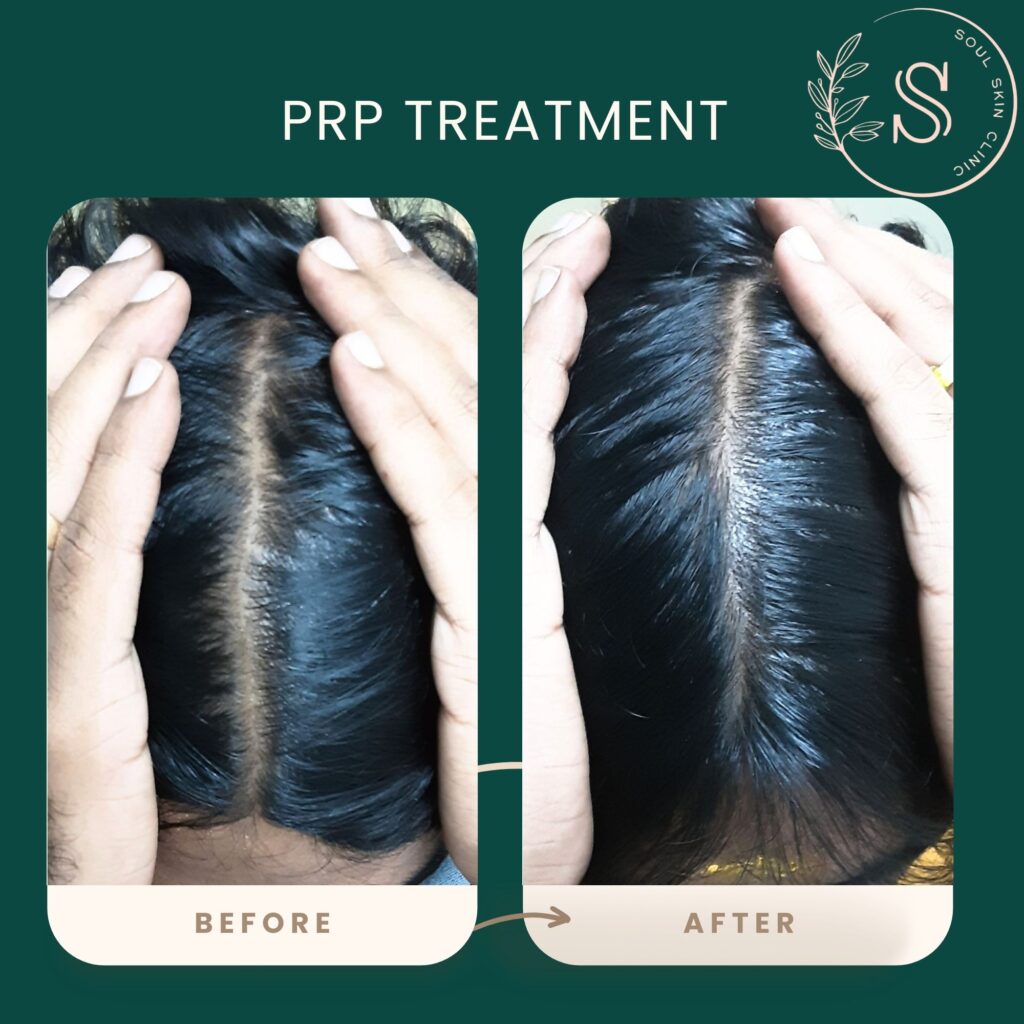
PRP Hair Treatment Results: Before & After
Platelet-Rich Plasma (PRP) therapy is one of the most effective non-surgical treatments for hair loss. It works by using the patient’s own plasma, which is rich in growth factors, to stimulate inactive hair follicles and promote natural hair regrowth.
The before-and-after results below show the improvement in hair density and scalp coverage after a series of PRP treatment sessions. Many patients begin to notice reduced hair fall within a few weeks, followed by gradual improvement in hair thickness and growth over the next few months.
PRP therapy is a safe and scientifically backed procedure commonly recommended for conditions such as hair thinning, early-stage hair loss, and stress-related shedding.
Individual results may vary depending on the underlying cause of hair loss, but with the right treatment plan and proper scalp care, PRP therapy can significantly improve overall hair health.
Frequently Asked Questions
Why is my hair falling out suddenly female?
Can stress cause sudden hair loss in women?
Is sudden hair loss reversible?
How much hair fall is normal?
Conclusion
Sudden hair loss in women can be distressing, but it is often temporary and treatable once the underlying cause is identified. Factors such as stress, hormonal changes, nutritional deficiencies, thyroid disorders, and scalp conditions are among the most common triggers.
Maintaining a healthy lifestyle, eating a balanced diet, and seeking timely medical advice can help restore normal hair growth and prevent further hair thinning.
If you are experiencing persistent or severe hair loss, consulting a dermatologist can help you find the most effective treatment and long-term solution for healthier hair.
Contact us
-
Clinic Hours:
Monday-Sunday, 12:00 PM - 8:00 PM