
Food for Dry Skin: What You Eat Matters More Than You Think
Table of Contents
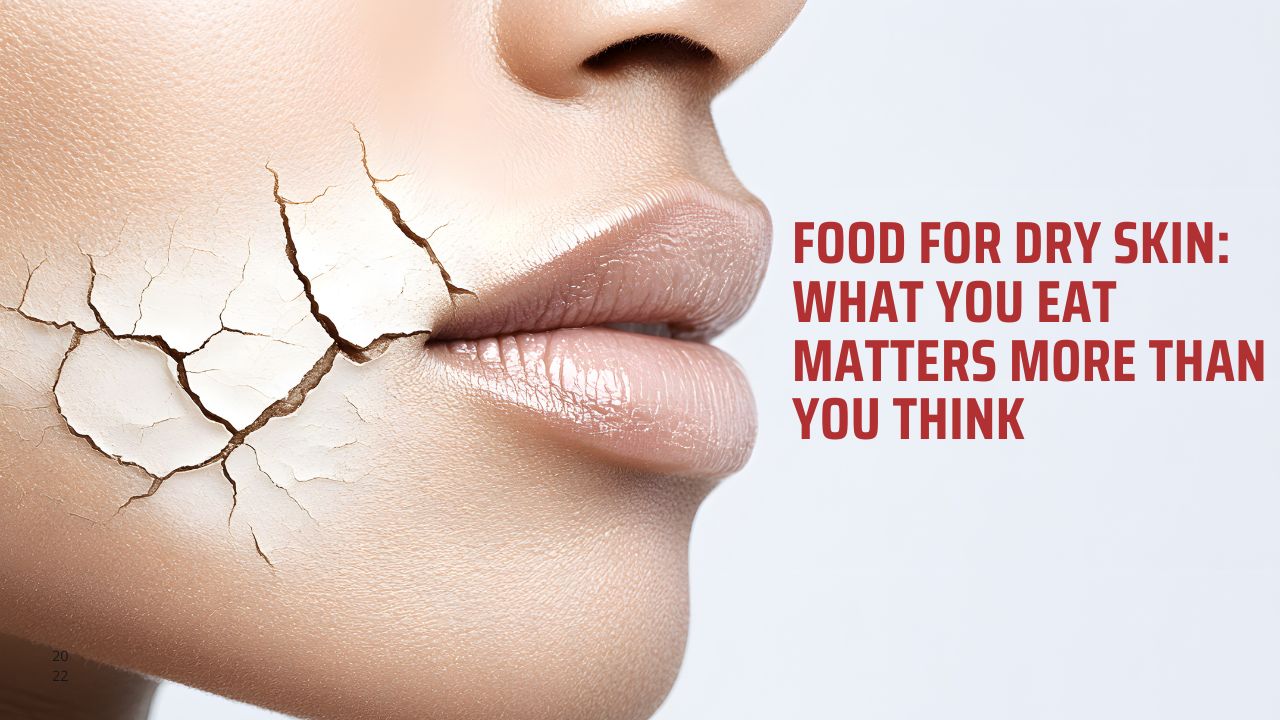
ToggleIf your skin often feels tight, flaky, or uncomfortable no matter how many creams you apply, the problem may not be just on the outside. Dry skin is often a sign that your body isn’t getting the right nourishment from within.
What you eat every day plays a huge role in how your skin looks and feels. Adding the right food for dry skin can help your skin hold moisture better, feel softer, and look healthier over time.
Why Dry Skin Needs Nutritional Support
Your skin has a natural barrier that keeps moisture in and irritants out. When this barrier becomes weak—because of poor diet, dehydration, or lack of healthy fats—skin loses water quickly and starts to feel rough or itchy.
Long-term dryness can also make uneven tone more visible, which is why professional Skin pigmentation treatment may be needed along with dietary changes.
No cream can fully fix this if your diet isn’t supporting your skin. That’s why eating the right foods is just as important as using the right skincare products.
Nutrients Your Skin Craves When It’s Dry
Dry skin often means your body is missing:
- Healthy fats that lock in moisture
- Vitamins that repair skin cells
- Antioxidants that protect against damage
- Enough water to keep skin hydrated
When these are lacking, dryness shows up first on the face, lips, and hands.
Best Food for Dry Skin (Simple & Everyday Choices)
Avocado
- Avocado is packed with healthy fats that help your skin stay soft and flexible. If your skin flakes easily or feels tight, this fruit can really help.
- You can add avocado to salads, smoothies, or even eat it plain with a little salt.
Fatty Fish (Salmon, Sardines, Mackerel)
- If dry skin is a constant problem, omega-3 fatty acids are essential. Fatty fish are one of the best natural sources.
- They help reduce moisture loss and calm skin irritation. Eating fish twice a week can make a noticeable difference.
Nuts and Seeds
- Almonds, walnuts, chia seeds, and flaxseeds are easy to include and great for dry skin.
- They nourish your skin from within and help improve texture. Even a small handful a day can support better hydration.
Olive Oil
- Good fats are important for skin health, and olive oil is one of the easiest ways to get them.
- Using olive oil regularly in cooking or salads supports the skin barrier and reduces dryness over time.
Sweet Potatoes
- Sweet potatoes are rich in vitamin A, which helps skin repair itself.
- If your skin feels rough or looks dull, adding sweet potatoes to your meals can help improve smoothness naturally.
Fruits With High Water Content
- Sometimes dry skin is simply a sign of dehydration.
- Fruits like watermelon, oranges, papaya, and berries help increase water intake and support skin hydration in a natural way.
Curd (Yoghurt)
- Healthy digestion reflects on your skin. Curd supports gut health and helps your body absorb nutrients better.
- Including curd regularly can help improve skin comfort and reduce dryness.
Green Leafy Vegetables
- Spinach and other leafy greens support skin repair and protect against damage.
- They’re especially helpful if your skin looks dull or tired along with dryness.
Eggs
- Eggs provide protein and biotin, both of which are important for skin repair.
- They help strengthen skin structure and prevent dryness caused by weak skin barriers.
Coconut and Coconut Water
- Coconut water helps hydrate the body, while coconut provides healthy fats.
- Used in moderation, both can support better skin moisture.
Foods That Can Make Dry Skin Worse
Some foods can quietly worsen dryness, especially when eaten often.
Try to limit:
- Excess sugar
- Processed snacks
- Deep-fried foods
- Too much coffee or alcohol
These can dehydrate the body and weaken your skin’s natural barrier.
Water Still Matters (A Lot)
- No food for dry skin can work properly if you’re not drinking enough water.
- If your lips are dry or your skin feels tight by afternoon, you may need more fluids. Aim for steady water intake throughout the day rather than drinking large amounts at once.
When Diet Alone Isn’t Enough
Sometimes dry skin continues even with a good diet. This can happen due to:
- Skin conditions like eczema
- Hormonal changes
- Harsh soaps or skincare products
- Environmental exposure
If dryness is severe, itchy, or persistent, it’s best to consult a dermatologist to rule out underlying issues.
Conclusion
Dry skin isn’t just a surface problem—it’s often your body asking for better care from the inside. Choosing the right food for dry skin, staying hydrated, and maintaining balanced nutrition can slowly but effectively improve your skin’s comfort and appearance.
Small dietary changes, when followed consistently, can make your skin feel softer, healthier, and more resilient.
Frequently Asked Questions - Forehead Wrinkle Remover
What is the best food for dry skin?
Can diet really improve dry skin?
How long does it take for food to improve dry skin?
Which vitamins are best for dry skin?
Is drinking water enough to fix dry skin?
Ready to Restore Your Dry Skin This Winter?
-
Clinic Hours:
Monday-Sunday, 12:00 PM - 8:00 PM