
MNRF Treatment: Cost, Results, Benefits & Side Effects
Table of Contents
ToggleMNRF Treatment, also known as Microneedling Radiofrequency, is one of the most advanced skin rejuvenation procedures used to treat acne scars, wrinkles, enlarged pores, skin laxity, and uneven texture. This minimally invasive treatment combines microneedling with radiofrequency energy to deliver powerful skin-tightening and resurfacing results.
In this blog, we explain what MNRF treatment is, how it works, benefits, cost, results, side effects, and who it is best suited for, from a dermatologist’s perspective.
What Is MNRF Treatment?
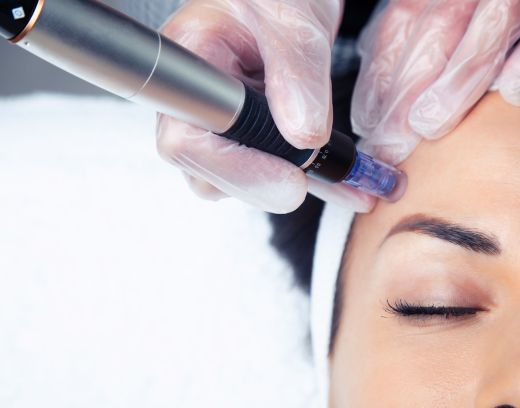
MNRF (Microneedling Radiofrequency) is a dermatological procedure that uses fine insulated needles to deliver radiofrequency energy deep into the skin layers. This controlled energy stimulates:
- Collagen production
- Elastin regeneration
- Skin tightening and repair
Unlike traditional microneedling, MNRF works at deeper levels, making it highly effective for moderate to severe skin concerns.
How Does MNRF Treatment Work?
MNRF works through a dual mechanism:
Microneedling creates tiny microchannels in the skin, triggering the body’s natural healing response.
Radiofrequency energy is delivered through the needles to heat the deeper skin layers, stimulating collagen remodelling.
This combination improves skin structure from within, leading to firmer, smoother, and clearer skin over time.
Skin Concerns Treated with MNRF
MNRF treatment is effective for:
- Acne scars(atrophic scars)
Open and enlarged pores
Fine lines and wrinkles
Sagging skin and loss of firmness
Uneven skin texture
Stretch marks
Early signs of ageing
Dermatologists often recommend MNRF when topical treatments and regular facials are no longer effective.
Benefits of MNRF Treatment
- Non-surgical and minimally invasive
- Improves skin firmness and elasticity
- Reduces acne scars and pores
- Enhances skin texture and tone
- Suitable for Indian skin types
- Long-lasting results with proper care
- Minimal downtime compared to surgery
MNRF is a popular choice for patients seeking visible skin improvement without surgery.
MNRF Treatment Procedure: Step-by-Step
- Skin assessment by a dermatologist
- Application of numbing cream for comfort
- Microneedling with radiofrequency delivery
- Cooling and soothing treatment
- Post-procedure skincare guidance
MNRF Treatment Cost
The cost of MNRF treatment depends on:
- Area treated (face, neck, body)
- Severity of skin concern
- Number of sessions required
- Technology used and clinic expertise
Average Cost:
- ₹6,000 to ₹20,000 per session (approx.)
A dermatologist consultation is required to determine the exact treatment plan and cost.
MNRF Treatment Results: What to Expect
- Mild tightening visible within a few weeks
- Gradual improvement in acne scars and pores
- Firmer, smoother skin over 2–3 months
- Best results after 3 to 4 sessions, spaced a few weeks apart.
Side Effects of MNRF Treatment
MNRF treatment is generally safe when performed by a qualified dermatologist. Temporary side effects may include:
- Mild redness
- Slight swelling
- Warm sensation
- Pinpoint scabs (rare)
These usually subside within 24–72 hours. Serious side effects are uncommon with proper technique.
Aftercare Tips After MNRF Treatment
- Avoid direct sun exposure
- Use sunscreen daily
- Avoid makeup for 24 hours
- Keep skin hydrated
- Follow dermatologist-recommended skincare
Proper aftercare enhances results and prevents complications.
Who Is an Ideal Candidate for MNRF?
MNRF treatment is suitable for:
- Men and women with acne scars
- People with open pores or uneven texture
- Individuals with early skin laxity
- Patients seeking non-surgical skin tightening
It may not be suitable for active infections, pregnancy, or certain medical conditions, which your dermatologist will assess.
MNRF vs Traditional Microneedling
| Feature | Traditional Microneedling | MNRF |
|---|---|---|
| Depth | Superficial | Deep dermal |
| Energy | Mechanical only | Radiofrequency |
| Results | Mild to moderate | Moderate to advanced |
| Skin tightening | Limited | Significant |
Frequently Asked Questions MNRF Treatment
What is MNRF treatment and how is it different from microneedling?
MNRF (Microneedling Radiofrequency) combines microneedling with radiofrequency energy to stimulate collagen at deeper skin levels. Unlike traditional microneedling, MNRF provides stronger skin tightening and better results for acne scars and wrinkles.
Is MNRF treatment safe for Indian skin?
Yes. MNRF treatment is safe for Indian skin tones when performed by an experienced dermatologist. The depth and energy settings are customised to minimise pigmentation risks and ensure safe results.
How many sessions of MNRF treatment are required?
Most patients require 3 to 4 MNRF sessions, spaced a few weeks apart. The exact number depends on the severity of acne scars, skin laxity, and individual skin response.
What is the downtime after MNRF treatment?
MNRF treatment has minimal downtime. Mild redness or swelling may occur for 24–72 hours, after which normal activities can be resumed.
When will I see results after MNRF treatment?
Initial skin tightening can be noticed within a few weeks, while full results develop gradually over 2 to 3 months as new collagen forms.
Conclusion
MNRF treatment is a powerful, non-surgical solution for acne scars, ageing skin, and texture concerns. By stimulating collagen at deeper skin levels, it delivers long-lasting improvement with minimal downtime.
If you’re looking for advanced skin rejuvenation, consult a dermatologist to determine whether MNRF treatment is right for your skin.
Ready to experience the best MNRF treatment for skin rejuvenation?
-
Clinic Hours:
Monday-Sunday, 12:00 PM - 8:00 PM