
Open Pores and Acne Scar Treatment – Complete Guide
Table of Contents
ToggleIntroduction
- The similarities between open pores and acne scars
- Key differences between the two
- Common causes
- Best dermatology treatments available
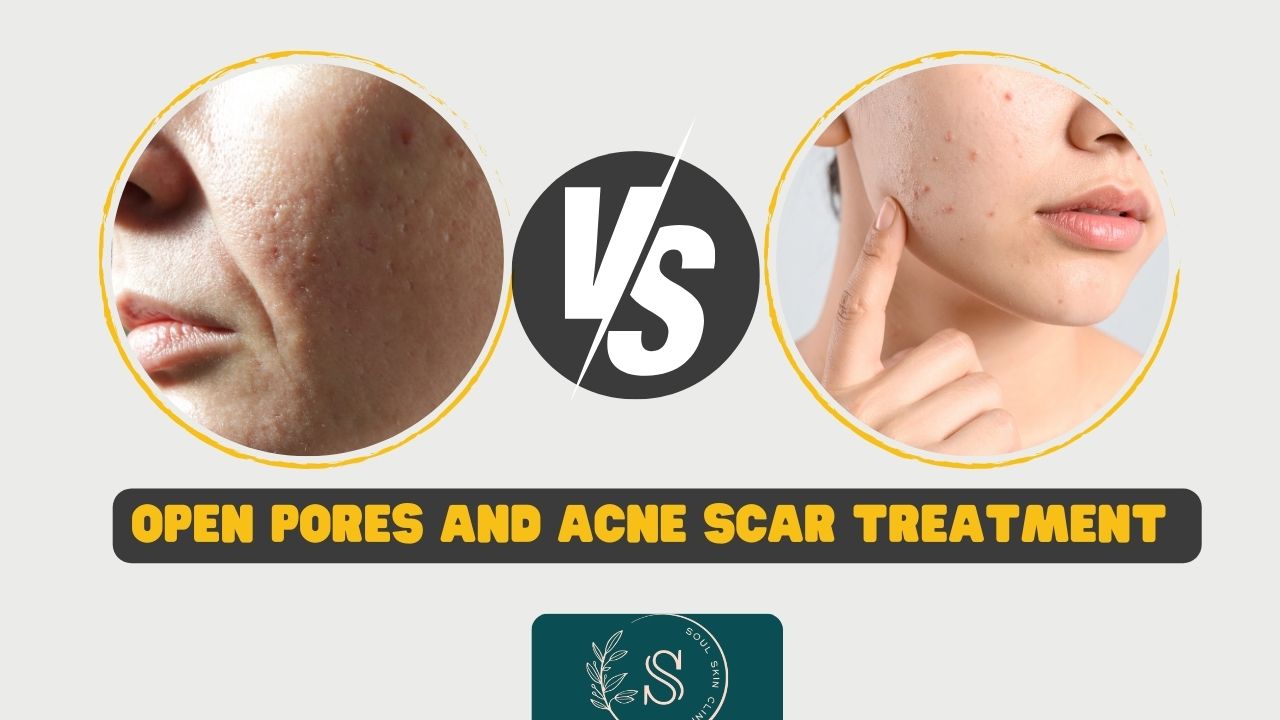
Similarities Between Open Pores and Acne Scars
Open pores and acne scars often appear together, which is why many people confuse them.
Some similarities include:
Uneven Skin Texture
Commonly Appear on the Face
They frequently occur on areas such as:
- Cheeks
- Nose
- Forehead
- Chin
These areas tend to produce more oil, which increases the risk of acne and enlarged pores.
Often Linked to Acne
Acne breakouts can lead to both open pores and acne scars if the skin becomes inflamed or damaged.Both conditions result in irregular skin texture and may cause the skin surface to appear rough or uneven.
Cosmetic Concern
Key Differences Between Open Pores and Acne Scars
Average PRP Hair Treatment Price in Chennai
| Feature | Open Pores | Acne Scars |
|---|---|---|
| Appearance | Visible round openings on the skin | Depressions or pits in the skin |
| Cause | Excess oil, aging, clogged pores | Damage to skin tissue after acne |
| Texture | Flat but enlarged pores | Uneven or indented texture |
| Location | Usually nose, cheeks, forehead | Areas where acne occurred |
Dermatologists often examine the skin under magnification to determine whether the issue is large pores or acne scarring.
Why Do Open Pores Develop?
Open pores occur when the hair follicles in the skin expand and become more visible.
Several factors contribute to this condition.
Excess Sebum Production
Aging and Collagen Loss
Sun Damage
UV exposure weakens collagen fibers and damages the skin structure, leading to enlarged pores.
Clogged Pores
Why Do Acne Scars Form?
Acne scars occur when inflamed acne damages the dermis, the deeper layer of skin.
When the body repairs this damage, collagen production may become irregular, which results in visible scars.
Common causes include:
- Severe inflammatory acne
- Cystic acne
- Delayed acne treatment
- Squeezing or picking pimples
About one in five people who experience acne may develop scars, particularly on the face, chest, or back.
Types of Acne Scars Dermatologists Identify
Ice Pick Scars
Boxcar Scars
Rolling Scars
Pigmented Acne Marks
Dark spots left after acne healing.
Correct identification of scar type is essential for choosing the right treatment.
Dermatology Treatments for Open Pores
Chemical Peels
Chemical peels remove damaged outer skin layers and promote new skin growth, helping improve skin texture and pore appearance.
Microneedling
Laser Skin Treatments
Laser procedures stimulate collagen and resurface the skin, which helps reduce pore size and improve skin tone.
Medical Skincare Products
- retinoids
- salicylic acid
- glycolic acid
Acne Scar Treatment Options
Acne scar treatment usually focuses on stimulating collagen production and improving skin texture.
Common dermatology treatments include:
Microneedling Therapy
Encourages collagen production and gradually smooths acne scars.
Laser Resurfacing
Subcision
PRP Skin Rejuvenation
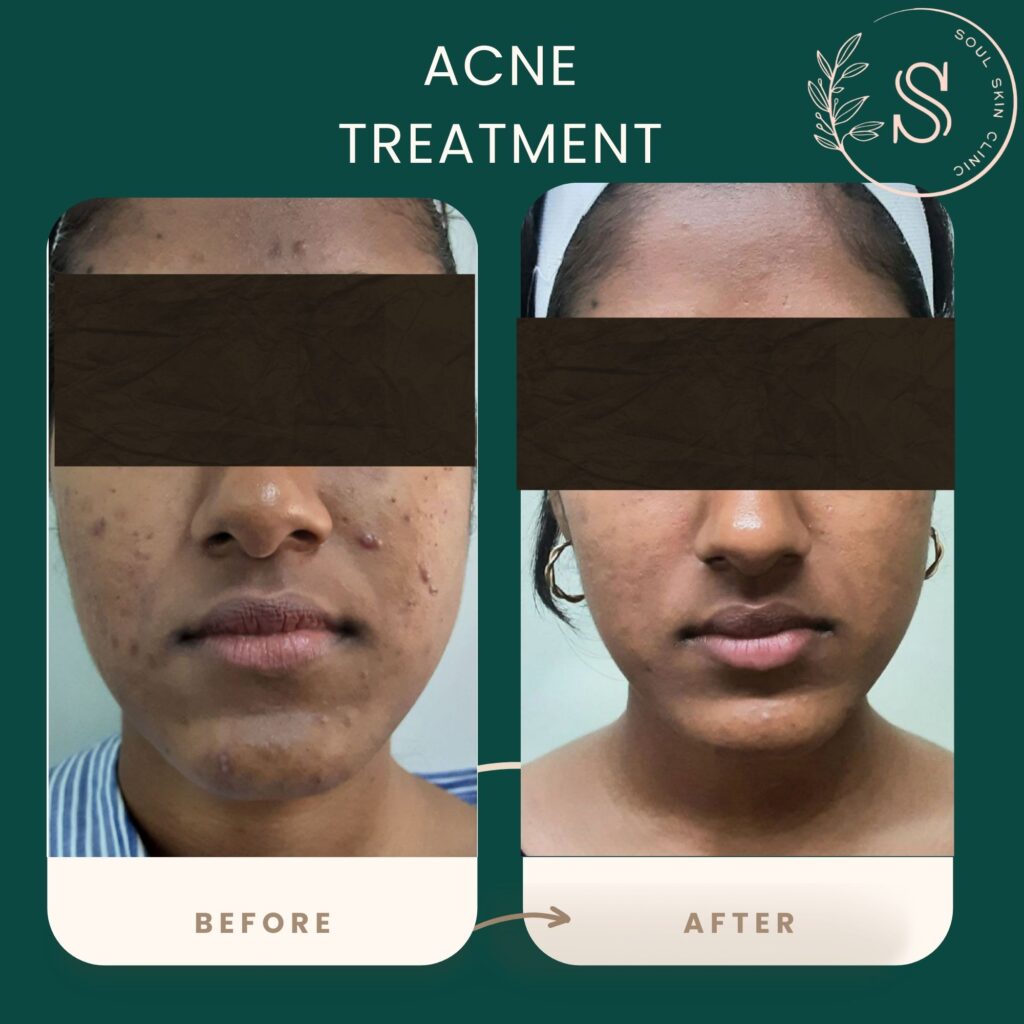
Open Pores and Acne Scar Treatment at Soul Skin Clinic
- microneedling therapy
- PRP skin rejuvenation
- chemical peel treatments
- acne scar treatments
- personalised skincare guidance
When Should You Consult a Dermatologist?
- pores appear significantly enlarged
- acne scars are deep or widespread
- skincare products are not improving the condition
- acne continues to recur
Frequently Asked Questions
Can open pores turn into acne scars?
Are acne scars permanent?
Can enlarged pores be permanently closed?
Which treatment is best for acne scars?
Conclusion
Open pores and acne scars are common skin concerns that can affect the overall appearance and texture of the skin. Although they may look similar, they develop for different reasons and often require different treatment approaches. Enlarged pores are usually related to excess oil production, aging, or clogged skin, while acne scars occur when deeper layers of the skin are damaged during severe acne.
The good news is that modern dermatology offers several effective treatments that can significantly improve skin texture and reduce the appearance of both open pores and acne scars. Procedures such as microneedling, chemical peels, PRP therapy, and laser treatments help stimulate collagen production and promote healthier skin regeneration.
If you are struggling with persistent open pores or acne scars, consulting a dermatologist can help determine the exact cause and recommend the most suitable treatment plan. With the right care and advanced dermatological treatments, it is possible to achieve smoother, clearer, and healthier-looking skin.
Contact us
-
Clinic Hours:
Monday-Sunday, 12:00 PM - 8:00 PM