
Skin Pigmentation Treatment in Chennai - Causes, Options, Results & Expert Tips
Table of Contents
ToggleSkin pigmentation issues, such as dark spots, melasma, sun spots, and uneven skin tone, are among the most common reasons people go to dermatology clinics in Chennai. While pigmentation is a natural occurrence, many individuals look for safe and effective treatments that provide visible improvement without causing harm to the skin.
What Is Skin Pigmentation?
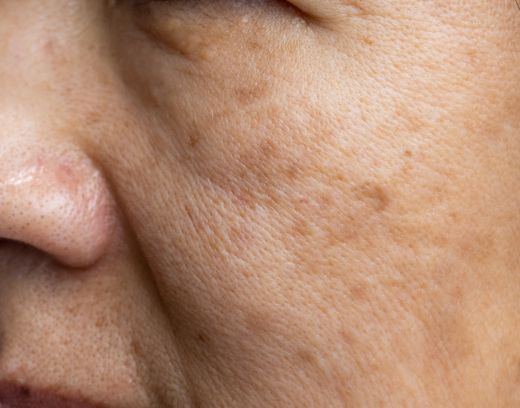
Pigmentation refers to the color of your skin, which comes from melanin, the pigment made by melanocytes. When melanin production is uneven, it can lead to:
- Dark spots (sun spots)
- Melasma (patchy brown areas)
- Post-inflammatory hyperpigmentation (after acne)
- Freckles
- Uneven skin tone
Pigmentation can affect the face, neck, arms, and other areas exposed to the sun.
Common Causes of Skin Pigmentation
1. Sun Exposure
Ultraviolet (UV) rays boost melanin production. In a sunny city like Chennai, spending too much time in the sun without sunscreen speeds up pigmentation.
2. Hormonal Changes
Melasma often occurs in women during pregnancy or when there are hormonal imbalances.
3. Post-Inflammatory Hyperpigmentation (PIH)
Dark marks that remain after acne or injury.
4. Genetics
Some people are more prone to pigmentation due to family history.
5. Certain Medications
Antibiotics, hormone therapy, and other drugs can increase sensitivity to sunlight.
Why Choose Skin Pigmentation Treatment in Chennai?
Chennai’s warm climate results in intense sun exposure throughout the year. A personalized pigmentation treatment plan from an expert dermatologist ensures:
- Safe procedures
- Custom care for Indian skin tones
- Minimal side effects
- Real, long-lasting results
Effective Pigmentation Treatment Options
1.Topical Medical Creams
Prescription creams that contain ingredients like:
- Hydroquinone
- Retinoids
- Vitamin C
- Azelaic acid
These help balance melanin production and improve skin tone.
2. Chemical Peels
Peels such as glycolic, salicylic, or TCA remove the outer pigmented layer gently, revealing brighter skin.
Ideal for mild to moderate pigmentation.
3. Laser Treatments
Lasers precisely target pigmentation and break down excess melanin for quicker results.
Common options include:
- Q-Switch laser
- Pico laser
- IPL (Intense Pulsed Light)
Great for stubborn pigmentation and melasma.
4. Microneedling with Serums
Microneedling improves texture and enhances the absorption of brightening serums.
Benefits include:
- Stimulating collagen
- Reducing pigmentation
- Improving skin quality
5. Combination Protocols
Dermatologists often combine lasers, peels, and topical therapy, which tends to produce the best results.
What to Expect During Treatment
- Initial Consultation: A detailed skin analysis.
- Customized Plan: Based on the type and depth of pigmentation.
- Treatment Sessions: Varies for each person.
- Aftercare: Sunscreen and follow-up routines.
Skin Pigmentation Treatment Cost in Chennai
Costs vary based on:
- Type of pigmentation
- Choice of treatment
- Number of sessions
- Clinic expertise
Typical price ranges:
- Prescription creams: ₹1,500 to ₹3,500
- Chemical peels: ₹2,000 to ₹8,000
- Laser treatments: ₹8,000 to ₹30,000+ per session.
(Prices are estimates and vary by clinic.)
Expected Results & Timeline
- Initial lightening after 1-2 sessions
- Gradual improvement over 4-8 weeks
- Best results come from combined treatments and strict sun protection.
Before & After Results from Skin Pigmentation Treatment in Chennai
Here are Three real examples of successful skin pigmentation treatment performed at our clinic:
Before: Brown solar pigmentation on cheeks and temples.
After: After laser and topical treatment, the spots faded significantly, resulting in a more even tone and brighter complexion.
After: After a chemical peel and serums, the skin became smoother with reduced discoloration.
Before: Patchy brown areas on the forehead and cheeks.
After: With combination therapy (laser and creams), melasma patches became less noticeable, and the skin tone became more uniform.
Frequently Asked Questions Skin Pigmentation Treatment in Chennai
Is pigmentation treatment safe for Indian skin?
Yes. When done by a skilled dermatologist, treatments are tailored to Indian skin tones to reduce risks like post-treatment darkening.
How many sessions are needed to see results?
Most patients need 3-6 sessions, depending on the severity and type of pigmentation.
Will pigmentation return after treatment?
Pigmentation can come back without proper sun protection. Daily use of SPF and sun-safe habits are essential.
Can creams alone remove pigmentation?
Topical creams help with mild pigmentation, but they often work best when combined with peels or lasers for deeper issues.
Does pigmentation treatment hurt?
Most treatments are well-tolerated. Some lasers or peels may cause mild discomfort, but topical numbing agents and cooling systems are used for comfort.
Conclusion
Skin pigmentation can be frustrating, but with the right diagnosis and expert treatment, visible improvement is absolutely possible. A personalised treatment plan helps restore an even skin tone while protecting your skin’s long-term health.
-
Clinic Hours:
Monday-Sunday, 12:00 PM - 8:00 PM